































Introduction
Almost daily, we hear reports on big news channels reporting on what our federal government is doing. In school, we’re taught about the structure of Congress and how it operates. I’m sure it’s engraved in your head that there are 435 members of the House of Representatives and 100 Senators.
On the other hand, many people, especially those in my generation, do not know about how Mount Laurel’s local government operates and is structured. I’m positive that a majority of Lenape students are unable to name a single councilman or councilwoman who serves our town.
That’s why I took the initiative to contact the Mount Laurel Council through their website: to encourage us students to be proactive. I wanted to take an active part in my local government and community by interviewing someone who strives to make our lives better every day.
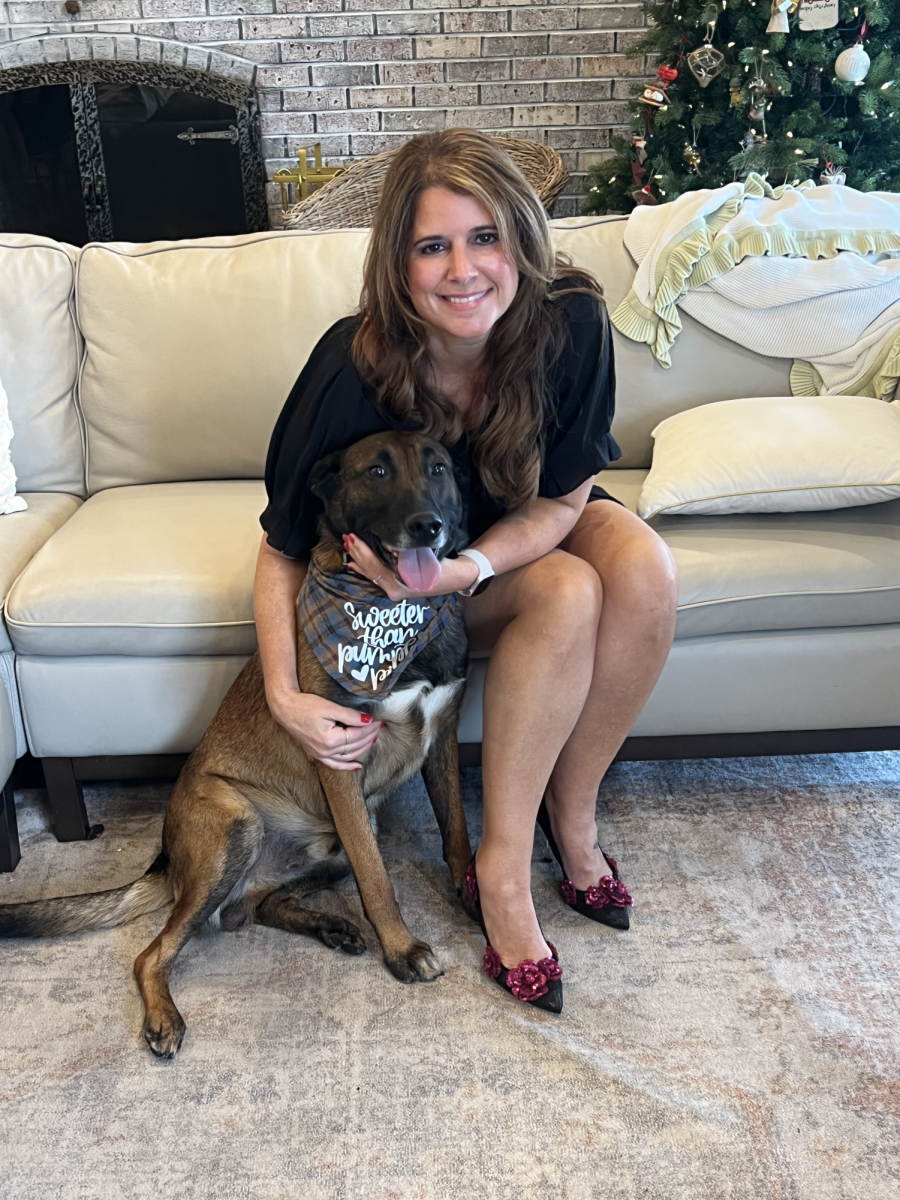
I received a response from Councilwoman Fozia Janjua, and we promptly scheduled the interview at the Mount Laurel Municipal Building, located within the Laurel Creek Corporate Center. I asked her questions about her background, our town, and what youth’s role in government should be.
The Interview
Where are you from?
I was born and raised in San Francisco, California. I moved to New Jersey 22 years ago.
What is your educational background?
I have my bachelors from the University of California, Berkeley in sociology, graduating with honors.
Do you have a job outside of being a councilwoman?
I taught first grade at Westfield Friends School, but currently I’m taking some time off from that.
Could you describe your family?
I am a mother of four boys. My oldest is 21, he’s a senior at Temple University. My second son is 19. He’s a freshman at Adelphia University in Long Island. I also have an eighth grader and a tenth grader.
What got you interested in politics and serving the community?
I’ve always been passionate about community service. Even when I was in San Francisco growing up, I was involved and volunteering across all aspects of life. In college, I taught prisoners at San Quentin State Prison. I’ve worked with inner city kids, mentoring them. I was a volunteer at a nursing home. I even worked with animals at a shelter. I was always interested in giving back.
In 2016, my friends and I were disheartened by the way things were going in the country, and felt like people were so divided along economic, socioeconomic, and racial lines. We had a new president and it felt like there was no unity. Instead of lamenting on the situation, we started a nonprofit called Community SJP. SJP stands for South Jersey and Philadelphia. Our motto is to “unite communities through service.”
When I had the opportunity to run for council, it felt like it was the next step to make a difference, and I could make a bigger impact in that role. Initially, I was really hesitant about running for councilwoman because I don’t like being in the front of things; I prefer being more in the back end of stuff. But, it gave me the opportunity to do more with what I have done in the past.
What was the election process like?
It was interesting because I first got elected in 2020 and it was during COVID. Canvassing, when you’re running for any political position, is all about going out there and meeting the public, knocking on doors and talking to people. It was difficult to do that. We had our masks on while going around ringing doorbells. We had to step far back from people.
When I ran again in 2024, and got reelected, I felt like I had more of that traditional experience of canvassing. That’s when I was really able to go and knock on people’s doors and talk to people. Ultimately, that’s what I like: connecting with people and talking to them. And when you do that, you find out what their needs are, what they’re liking or not liking about what’s happening in town.
How is the Mount Laurel Council structured? What decides who becomes the mayor?
Here in Mount Laurel, we have what is called a Faulkner System. When you’re running, you get elected to be on council. And then within the council, we decide who’s going to be mayor, and who’s going to be deputy mayor. So you aren’t elected as mayor in a town-wide election, like some of the surrounding towns. The mayor serves a one year term. I was mayor last year. This year, the mayor is Nick Moustakas. There is also a township manager who runs the day-to-day business because most of us have full-time jobs.
There’s some pros and cons to the Faulkner System. By the time I had gotten used to being mayor, my term was up. But, at the same time, it’s nice because everyone comes in with new ideas of what they want to do as mayor.
How often does the council meet? Where does the council meet?
The council meets once a month right here at the Municipal building.
What is the process of passing ordinances?
We vote on ordinances at the meetings. The meetings are always posted and we encourage the public to be there. We open up discussion to the public and they can talk about what they like or what they are concerned about. We are very receptive to listening to them and their needs and wants. No decision is made without looking at the pros and cons of how that decision is going to impact the people who are living in town.
Is there a specific decision you are most proud of? Why?
There are many decisions that I am proud of. We constantly make improvements with our recreation and saving open space. I’m really big about the environment and recycling.
One of my initiatives was that I really wanted a fireworks display in Mount Laurel. The first time we had it was last year when I was mayor and I wanted to honor people who recently became citizens in Mount Laurel.
Also, I’m proud of all the events we host that people can go have fun and bond together, like the Food Truck Festival.
Another thing I wanted was internships for students in high school and college. So, we established a few internships within the township for them.
Anything that enhances the life of our residents, you’re proud of. That’s the plus point.
Do you think that people sometimes forget about the hard work of the local government, only considering the government at the state and federal levels?
Yes, definitely. Unfortunately, there’s some people who do not even know who the mayor of their own town is. These are things you should know. These are people who are making decisions for you, so you should be invested in that.
What is the importance of youth understanding and participating in their government, especially locally?
It’s so important! You guys are the next generation. You have to take over what we started and a lot of people right now are not happy with certain things. I tell people all the time that local elections are a lot more important than things at the national level because these decisions affect your day-to-day lives. I personally love it when young people come to our meetings. You guys are the ones that can bring things to our attention that we don’t know. So, it’s really important for our youth to be involved and know what’s happening around them: otherwise, you’re having people making decisions for you.
Conclusion
Interviewing Councilwoman Janjua was truly a rewarding experience. I learned a lot about the inner workings of Mount Laurel, and I hope you did, too. I am proud that we have such great, accomplished people running our town and that I can place trust in them to work for our interests.
I encourage you to attend a township council meeting and advocate for an issue you care about. Our generation holds an immense amount of power through our most powerful weapon: our voices.